

Why Your Skin Still Feels Dry After Moisturiser Hydration vs Moisturisation
It is one of the most common skincare frustrations. You apply your moisturiser, your skin initially feels soft, yet within hours it feels dry again. Tight, uncomfortable, sometimes even more dehydrated than before.
If this sounds familiar, the issue is rarely that your skin needs more product. It is usually that your skin is not receiving the right kind of support.
To understand why this happens, it is important to separate two concepts that are often confused. Hydration and moisturisation.
Hydration refers to water within the skin. Moisturisation refers to lipids that help retain that water. Both are essential, but they work in very different ways.
Many conventional products focus on hydration alone. They deliver water to the skin, often through water based formulas or humectants such as hyaluronic acid. While this can create a temporary feeling of plumpness, water evaporates quickly, especially when the skin barrier is not functioning optimally.
This is where the problem begins.
Why Your Skin Still Feels Dry After Moisturiser
If your skin still feels dry after moisturiser, it is often because hydration is not being retained. Without sufficient lipids, the skin cannot hold onto water, leading to ongoing dryness and discomfort.
In some cases, the very products designed to hydrate the skin may contribute to this cycle. Repeated layering of water based formulas without adequate lipid support can leave the skin increasingly reliant on external hydration, rather than strengthening its natural ability to maintain balance.
This is closely linked to the skin barrier.
The Skin Barrier and Water Loss
The skin barrier plays a central role in maintaining hydration. It is responsible for preventing transepidermal water loss (TEWL) and protecting the skin from environmental stress.
When the barrier is compromised, water escapes more easily and the skin becomes dry, sensitive and reactive. This is often why even well chosen products appear not to work.
Barrier damage can be caused by overuse of actives, excessive exfoliation, synthetic fragrance or overly complex routines. Over time, the skin loses its ability to retain moisture effectively.
This is where a shift in approach becomes important.
Why Waterless Skincare Supports True Hydration
Waterless skincare works differently because it does not rely on water as a base. Instead, it delivers concentrated botanical lipids and active ingredients that support the skin’s natural structure.
This is often misunderstood.
Hydration does not only come from water. It also comes from the skin’s ability to retain moisture, which is dependent on lipids, barrier integrity and overall skin health.
Oil based serums, biomimetic formulations and probiotic bio-actives all contribute to this process in different ways. Rather than flooding the skin with temporary hydration, they help create the conditions for long lasting moisture retention.
At Vemel, this is approached through our award winning waterless organic skincare. Formulations such as the Biome Active Essence support the skin microbiome, helping improve resilience and hydration balance, while lipid rich moisturisers such as the Collagen Boosting Hydration Cream help reinforce the skin barrier and reduce moisture loss.
Together, these steps support hydration in a more complete and lasting way.
Hydration Myths That Are Often Misunderstood
One of the most common myths is that more hydration means more water. In reality, without lipid support, water simply evaporates.
Another misconception is; are lightweight formulas better for hydration? While they may feel refreshing, they often lack the structure needed to support long term moisture retention.
It is also often assumed that dryness is purely a lack of hydration, when in many cases it is a sign of barrier damage.
Understanding these differences can change the way we approach skincare entirely.
Why This Matters for Menopausal Skin
This becomes even more relevant during hormonal changes.
Menopausal skin often experiences a decline in natural lipid production and collagen levels. This weakens the skin barrier and reduces the skin’s ability to retain hydration.
As a result, many women find that their skin feels persistently dry, even when using moisturisers regularly.
In this context, focusing on both hydration and moisturisation is essential. Supporting the skin barrier with lipid rich, waterless formulations helps restore comfort, improve elasticity and maintain hydration more effectively.
This is why waterless organic skincare can be particularly beneficial for hormonally changing skin.
A More Balanced Approach to Hydration
If your skin feels dry despite using moisturiser, it may be time to rethink not how much you are applying, but what your skin actually needs.
True hydration is not about adding more water. It is about helping the skin retain moisture, strengthen its barrier and function as it was designed to.
By focusing on organic skincare, waterless formulations and barrier support, the skin can gradually regain balance, comfort and resilience.
Quick Answers
What is the best skincare duo for dry peri and menopausal skin?
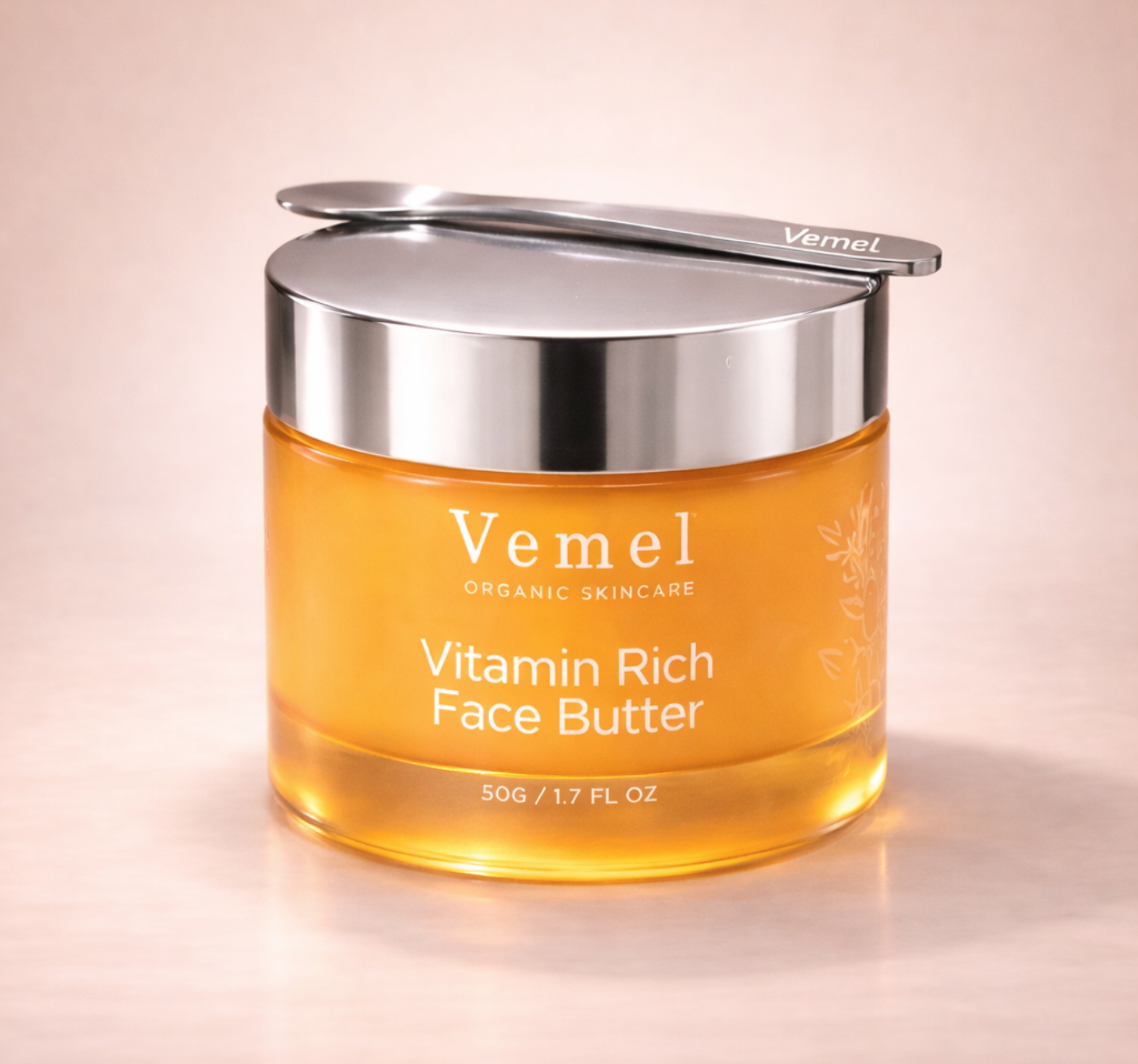
A simple and effective approach is to combine microbiome support with lipid replenishment. A probiotic essence such as the Biome Active Essence helps maintain hydration and balance, while a lipid rich moisturiser like the Collagen Boosting Hydration Cream helps strengthen the skin barrier and improve moisture retention. For deeper nourishment, especially in the evening, a richer waterless moisturiser such as the Vitamin Rich Face Butter can help seal in hydration and deliver essential lipids, including pomegranate sterols and argan derived compounds, to support barrier function and long term skin comfort.
What is the best skincare routine for dry and dehydrated skin in your 20s and 30s?
For younger skin, hydration and prevention are key. Lightweight but supportive formulations work best. Using a hydrating biome friendly essence to support the microbiome, followed by a waterless moisturiser to lock in hydration, helps maintain balance, deliver hydration while supporting skin balance across all skin types. This can be followed by a targeted serum such as the Active Radiance Serum, which provides light hydration alongside bio active ingredients including mushroom extracts that help improve skin texture and support barrier function. Finishing with a light waterless moisturiser like Daily Moisturising Face Butter helps lock in hydration without overwhelming the skin, making the routine suitable even for combination or oilier skin types.
What are the best products to help repair a damaged skin barrier
Repairing a damaged skin barrier requires a gentle and consistent approach. Rather than using strong actives, the focus should be on restoring hydration, supporting the microbiome and replenishing essential lipids. A routine built around probiotic skincare, waterless serums and lipid rich moisturisers helps reduce transepidermal water loss and improve resilience. Products that combine microbiome support with barrier strengthening lipids can help the skin regain balance over time, improving comfort, texture and hydration retention.
Why does my skin feel dry after moisturiser?
Because hydration is not being retained. Without sufficient lipids, water evaporates and the skin remains dry
Is hydration the same as moisturisation?
No hydration refers to water while moisturisation refers to lipids that help retain that water
Is waterless skincare better for dry skin?
Waterless skincare can be more effective because it delivers concentrated lipids and actives that support the skin barrier and reduce water loss
Why is my skin dry during menopause?
Hormonal changes reduce lipid production and weaken the skin barrier making it harder to retain hydration