

Understanding Transepidermal Water Loss (TEWL)
And How to Protect the Skin Barrier Naturally
Dry or dehydrated skin is often described as a lack of moisture. But beneath the surface, another process is usually at play: transepidermal water loss (TEWL). Transepidermal water loss is a natural, ongoing process that affects everyone. It becomes a problem when water escapes the skin faster than it can be replenished, leaving the skin barrier compromised and increasingly reactive over time. Understanding TEWL is one of the most important steps in building a calmer, more resilient skincare routine.
What Is Transepidermal Water Loss?
Transepidermal water loss refers to the evaporation of water through the epidermis, the outermost layer of the skin. This process happens continuously throughout the day and accelerates significantly at night. In healthy skin, water loss is balanced by the skin’s ability to retain hydration through a strong lipid barrier. When this balance is disrupted, moisture escapes too quickly and the barrier weakens. Over time, this can lead to dryness, tightness, increased sensitivity and skin that no longer responds as it once did.
Why TEWL Increases Over Time
Several factors are known to accelerate transepidermal water loss:
-
cold weather combined with indoor heating
-
pollution and environmental stress
-
UV exposure
-
smoking and alcohol
-
chronic stress, which impacts lipid production
-
over-cleansing and frequent exfoliation
One of the most common contributors is modern skincare itself. Harsh cleansers, foaming agents and active-heavy routines can gradually strip the skin of its protective lipids, leaving it vulnerable to ongoing moisture loss.
How TEWL Shows Up on the Skin
TEWL does not always present dramatically. Often, it appears subtly:
-
skin feels tight shortly after cleansing
-
dryness that persists despite moisturising
-
flaking or rough texture
-
fine lines becoming more visible
-
skin that reacts unexpectedly to products
These signs are often mistaken for “dry skin,” when in reality the barrier is no longer able to hold onto hydration.
Supporting the Skin Barrier Naturally
Reducing transepidermal water loss is less about adding more products and more about protecting what the skin already has.
Organic, waterless skincare plays an important role here. With fewer fillers and a higher concentration of barrier-supportive ingredients, waterless formulas help reinforce the lipid structure that keeps moisture in the skin.
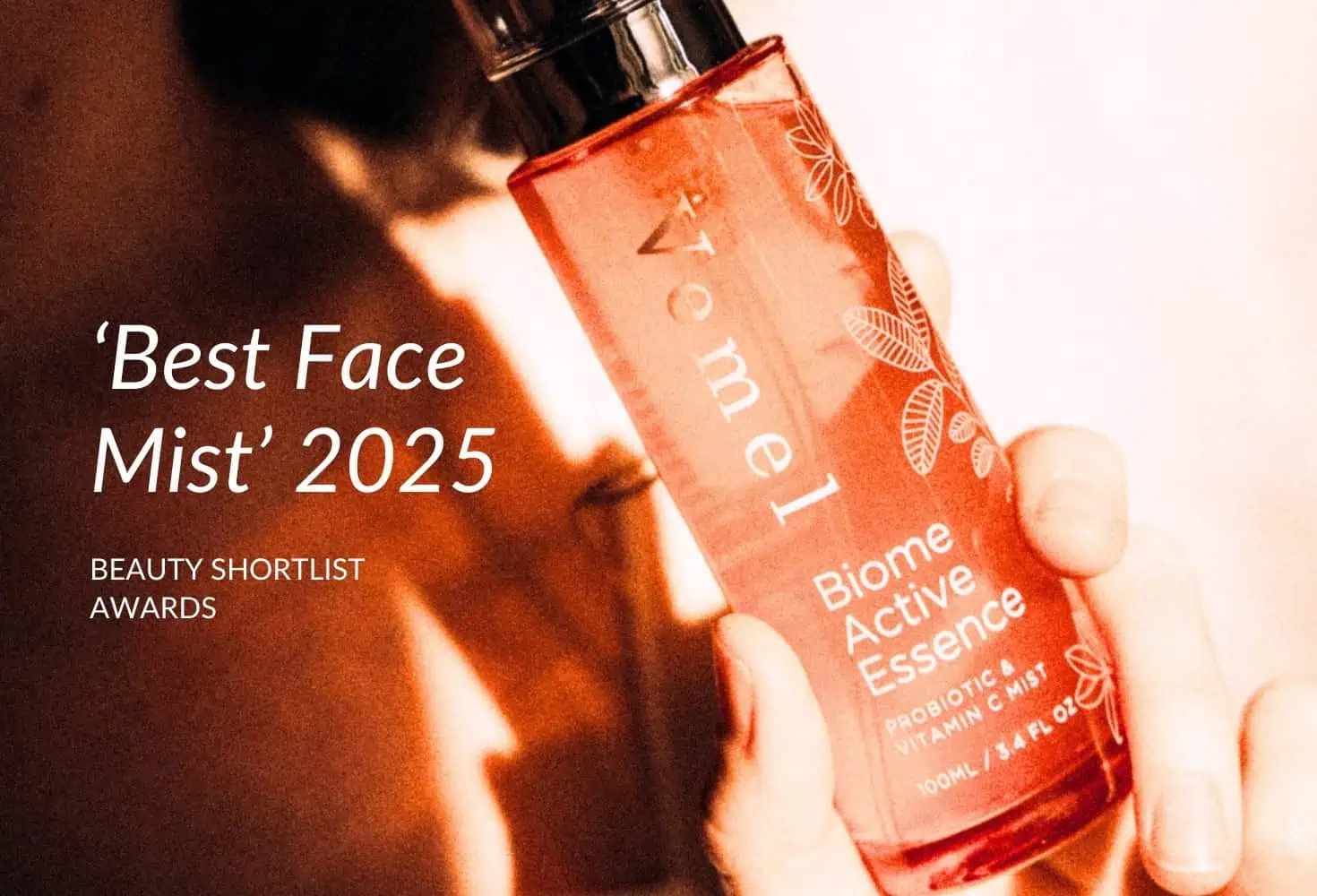
Hydration-focused steps such as Biome Active Essence can support moisture levels at the surface, while lipid-rich moisturisers help seal hydration in and reduce overnight water loss.
Rich, waterless formulas such as Vemel’s Vitamin Rich Face Butter are designed to support barrier repair using organic botanical lipids rather than aggressive stimulation.
Simple Ways to Reduce TEWL Daily
-
use a gentle, non-stripping cleanser
-
avoid over-exfoliation
-
apply moisturiser to slightly damp skin
-
prioritise lipid-rich, fragrance-free formulas
-
support the skin barrier consistently rather than intensively
Small, steady changes are far more effective than short-term corrective routines.
A More Resilient Relationship with Skin
Transepidermal water loss is unavoidable. Barrier damage is not.
When skincare is designed to support the skin’s natural structure rather than override it, moisture retention improves, sensitivity settles and the skin gradually regains resilience.
Healthy skin is not created through force.
It is maintained through protection, restraint and respect for the barrier.