

Acne and the Skin Barrier. Why Over-Treating Breakouts Makes Skin Worse
Acne is one of the most common skin concerns in the world. Around 80% of people between the ages of 11 and 30 experience breakouts, yet acne is far from a teenage condition alone. Many people continue to struggle with hormonal acne well into their 40s and 50s, while others experience it later in life for the first time.
Despite how common it is, acne is still widely misunderstood. Most solutions focus on aggressively drying the skin or suppressing breakouts. Yet in many cases acne is not simply a surface problem. It is often the result of a deeper imbalance involving the skin barrier, hormones, gut health and stress levels.
Understanding how these factors connect can help break the cycle.
What Acne Actually Is
Acne develops when hair follicles become clogged with sebum (the skin’s natural oil), dead skin cells and bacteria.
When this mixture blocks the pore, inflammation develops beneath the skin. Eventually the follicle wall can rupture, spreading oil and bacteria into nearby tissue and forming visible lesions such as pimples, cysts or blackheads.
Although acne appears most commonly on the face, it can also affect the back, chest and shoulders, where oil glands are particularly active.
The Overlooked Cause: A Damaged Skin Barrier
One of the most overlooked contributors to persistent acne is skin barrier damage.
The skin barrier acts as the body’s natural protective shield. It regulates moisture levels, protects against bacteria and keeps the skin balanced.
However, many acne treatments focus on stripping the skin using:
-
harsh exfoliants
-
alcohol-based products
-
strong acids
-
prolonged antibiotic creams or topical steroids
Over time this can weaken the barrier and create a cycle many acne sufferers recognise.
When the skin becomes excessively dry, it compensates by producing more oil. That excess oil then mixes with dead skin cells and bacteria, clogging pores again and triggering further breakouts.
The result becomes a vicious cycle:
drying the skin → barrier damage → excess oil → clogged pores → more acne
The Gut, Stress and Hormones Connection
Skin health is closely connected to the body’s internal balance.
Increasing research highlights the gut–skin axis, the relationship between gut microbiome health and the skin.
When gut bacteria become disrupted through poor diet, antibiotics or stress, inflammation throughout the body can increase, including in the skin.
Similarly, elevated stress increases cortisol, a hormone that stimulates oil production and can worsen breakouts.
Hormonal fluctuations during puberty, menstrual cycles or menopause can also influence sebum production, which is why hormonal acne often appears along the jawline and chin.
Supporting skin health therefore often requires addressing multiple factors at once.
Why Hydration Matters Even for Oily Skin
One of the biggest myths in acne care is that oily or acne-prone skin should be stripped of moisture.
In reality, all skin types need hydration.
When skin becomes dehydrated, it often compensates by producing even more oil in an attempt to restore balance. This extra oil can mix with bacteria and dead skin cells, increasing the likelihood of clogged pores.
The goal is not to dry the skin but to restore balance and support the skin barrier.
Why Waterless Skincare Can Help Acne-Prone Skin
Many conventional skincare products contain large amounts of water, which can dilute active ingredients and require additional preservatives.
Waterless organic skincare works differently.
By removing unnecessary fillers, formulas can focus on concentrated botanical oils, bioactive ingredients and barrier-supporting nutrients.
For acne-prone skin this approach can offer several benefits:
• fewer unnecessary ingredients
• higher concentrations of beneficial actives
• improved barrier support
• hydration without clogging pores
Certain plant oils can also help regulate sebum production while calming inflammation.
Supporting Skin Rather Than Fighting It
For many people acne becomes a battle something to suppress or eliminate as quickly as possible.
But skin often responds best when it is supported rather than attacked.
A balanced approach includes:
-
protecting the skin barrier
-
supporting gut health
-
managing stress levels
-
choosing gentle, nourishing skincare
When these elements work together, the skin is far more capable of restoring its natural balance.
Acne may be common, but every skin journey is unique. The key is learning to listen to what your skin is telling you and responding with care rather than force.
Because healthy skin is rarely achieved by stripping it down.
It is achieved by restoring balance.
A Gentle Approach to Supporting Acne Prone Skin
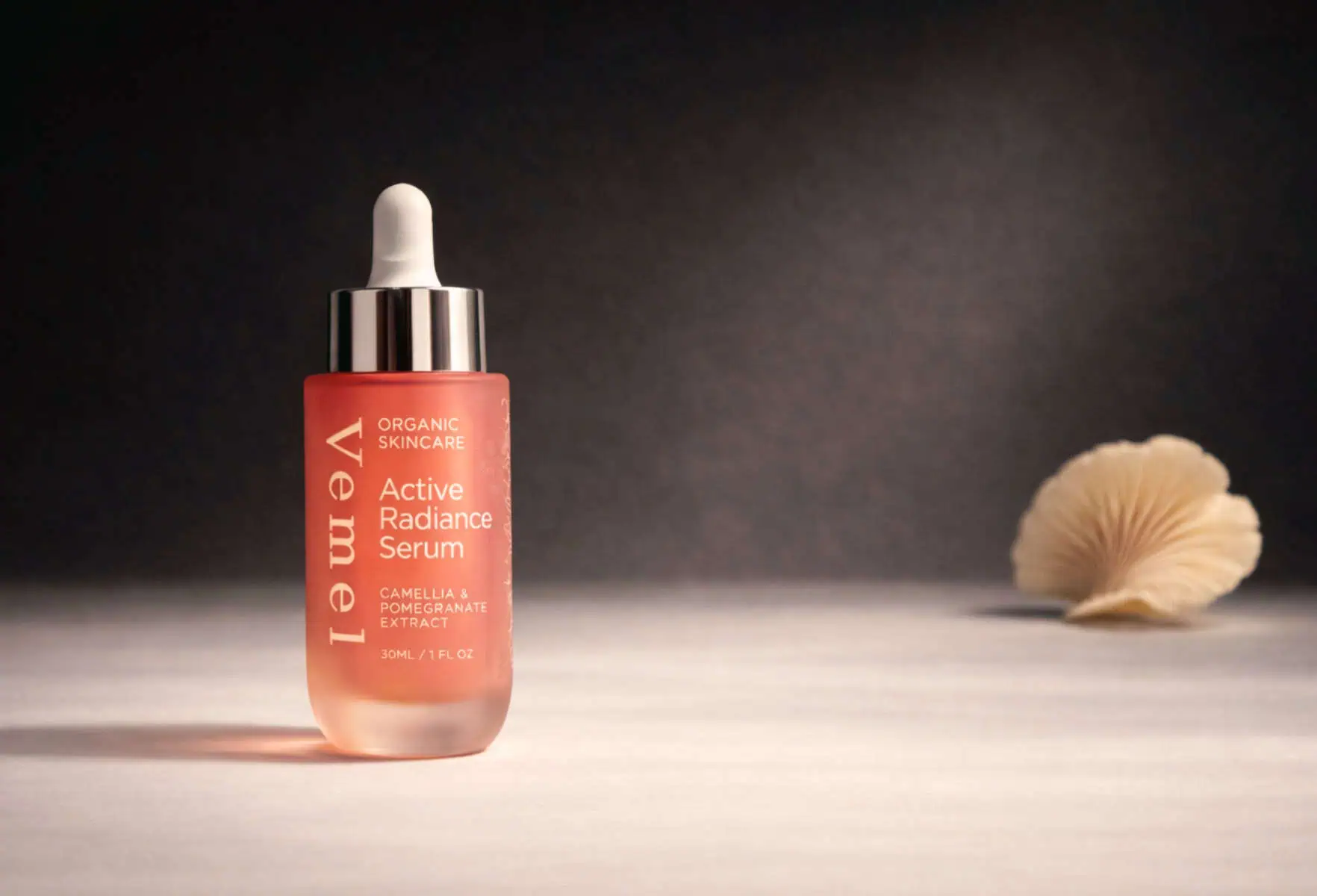
At Vemel we believe acne prone skin should be supported rather than aggressively stripped. This is why formulations designed to restore balance can be far more effective over time. Our Active Radiance Serum was created with this philosophy in mind. The lightweight organic waterless formula combines gentle resurfacing actives with calming botanical ingredients to help refine skin texture, support clearer looking pores and maintain hydration without clogging the skin. Because the formula works to smooth and rebalance rather than dry out the skin, it can be suitable for both teenage acne and hormonally driven breakouts later in life. By helping support the skin barrier while encouraging natural renewal, the skin can gradually regain a healthier, more balanced appearance.
By helping support the skin barrier while encouraging natural renewal, the skin can gradually regain a healthier, more balanced appearance. This thoughtful formulation was also recognised at the Beauty Shortlist Awards 2026, where Active Radiance Serum was named Best Waterless Skincare Product, highlighting the effectiveness of Vemel’s organic waterless approach.
For more award winning formulas and to learn how Vemel’s different approach to organic, waterless skincare has led to 69 international beauty awards and counting, read here: We Didn’t Plan to Win 69 Awards – How Our Different Approach Redefined Clean, Waterless Skincare.