


Your Skin Isn’t the Problem – Exposure Is
There’s a study I often come back to when people ask whether small skincare changes really matter.
Not because it’s shocking.
But because it’s quietly powerful.
In a UC Berkeley–led study, published via the National Library of Medicine, researchers observed 100 adolescent girls who switched to products free from certain commonly used toxic ingredients. Within just three days, there was a rapid and significant reduction in chemical biomarkers measured in the body.
For some substances, levels fell by up to 30–45% in that short timeframe. No detoxes. No supplements. Just different products.
It shows how quickly our bodies respond when exposure changes. And I find that deeply reassuring. It reminds us that our bodies are not fragile. They are intelligent. Responsive. Constantly working to restore balance when we give them the chance.
What This Study Really Tells Us
This research is often cited for the speed of change alone. But for me, the more important message is this: Exposure is cumulative. And it’s adjustable. We’re not talking about perfection. Or eliminating every possible toxic ingredients from modern life. We’re talking about understanding where exposure is highest and starting there. Because not all skincare products carry the same weight.
Where Exposure Tends to Be Highest
Do small skincare changes really matter when it comes to toxin exposure in skincare? When you look closely at studies like this, a clear pattern emerges. A significant part of everyday exposure comes from products we use repeatedly throughout the day, simply because they’re reapplied so often:
-
Body products, which cover the largest surface area of skin
-
Hand creams, often reapplied multiple times daily
-
Leave-on products designed to sit on the skin for hours
-
Highly fragranced formulas
-
Products that rely heavily on water, requiring higher levels of preservatives; parabens and phenols
This is why I always say: start with what touches the most skin.

Do small skincare changes really matter when it comes to toxin exposure in skincare?
If someone said to me, “I want to make a change, but I don’t want to overhaul my entire routine,” this is what I would suggest, both as a skincare founder and as a woman and mother who cares deeply about long-term health.
1. Start With Body Care
Your body has far more skin than your face. Yet body products are often an afterthought; fragranced, heavily preserved, and used generously. If you change just one thing, make it your body care. Choosing an organic waterless, fragrance-free body oil reduces unnecessary exposure while still deeply nourishing the skin barrier. Fewer ingredients. Fewer preservatives. Fewer compromises.
This is exactly why we created Marigold Nectar to offer simple, effective care for the skin we often forget needs the most consideration. It was inspired by my daughter. I wasn’t comfortable layering her body and hair with products full of unnecessary and potentially disruptive ingredients. Ever noticed how baby products are so often unscented? The industry understands how sensitising fragrance can be. As a rule of thumb, I always say: if you wouldn’t use it on your children, why use it on yourself?
2. Focus on Leave-On Facial Products
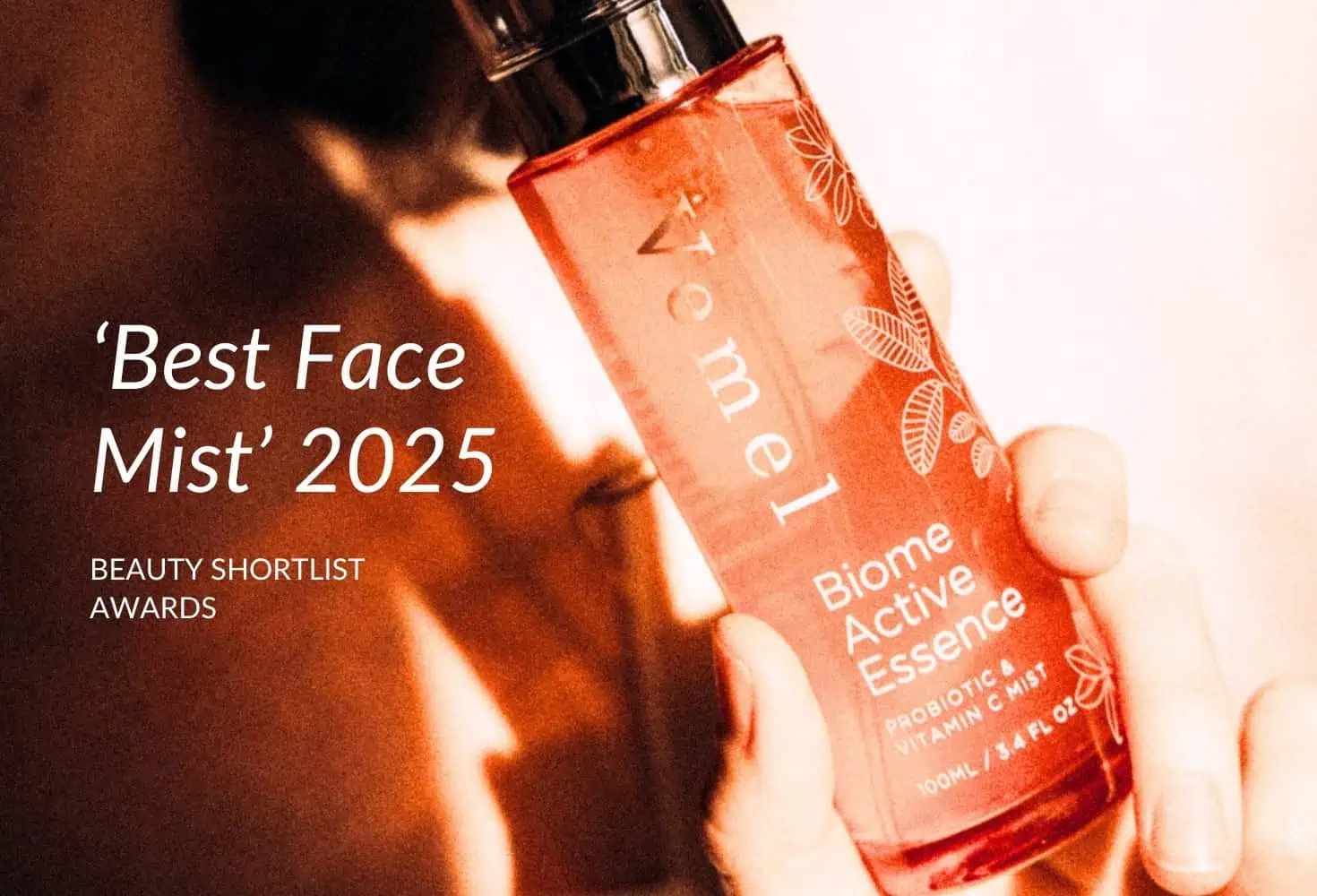
What stays on your skin matters more than what you rinse away. Face mists, creams and serums sit on the skin for hours. They interact with your barrier, your microbiome and your daily environment. Many conventional face mists are essentially water, alcohol and perfume designed to feel refreshing, but often adding little real benefit. Vemel’s Active Biome Essence was formulated with intentional, waterless ingredients can instead support the skin barrier and microbiome throughout the day, without unnecessary exposure.
This is where formulation integrity and simplicity truly matter.
3. Choose Clarity Over Complexity
Rather than focusing on how many products are used, I believe the more important question is where toxin exposure in skincare concentrates. Facial moisturisers are often the first skincare product we use in young adulthood, and the one we rely on at every stage of life. They’re applied morning and night, left on the skin for hours, and commonly layered beneath SPF making them one of the most significant contributors to daily exposure. Choosing a well-formulated moisturiser with a clear purpose; hydration, barrier support, comfort, matters more than adding multiple overlapping steps. When moisturisers are water-heavy, highly preserved or fragranced, exposure compounds quietly over time.
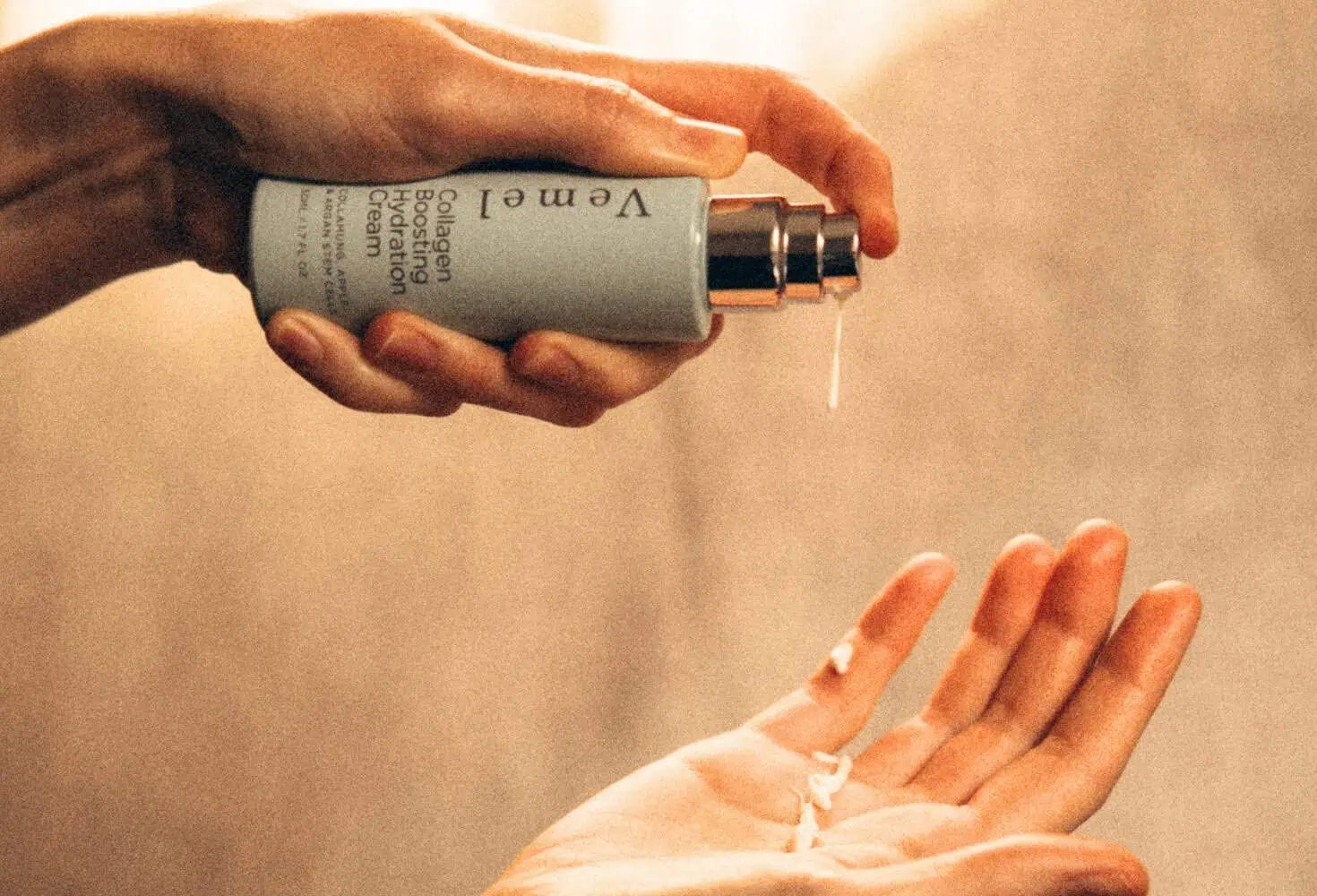
A calmer routine starts with choosing one intentional, thoughtfully formulated moisturiser, and layering only where each step genuinely adds value not repetition. Whether that looks like a Collagen Boosting Hydration Cream or a richer face butter depends on your skin’s needs but the principle stays the same: one well-chosen moisturiser, used consistently, can reduce unnecessary overlap and exposure over time.
A Note on Sunscreen
I’m often asked why we don’t offer a sunscreen at Vemel. The honest answer is simple: formulating a sunscreen that truly meets our standards is genuinely difficult.
Historically, sun exposure was once recommended for a wide range of health conditions. Today, we live in a very different landscape shaped by fear-based messaging and sunscreens often laden with toxic ingredients that deserve closer scrutiny. We don’t believe the sun itself is the enemy. Chronic inflammation, barrier disruption and cumulative exposure to sensitising ingredients are far more complex conversations.
This space deserves nuance. And we’re watching it carefully, waiting until the right SPF ingredients come along.
This Conversation Is Bigger Than Us
Many of our customers are also mothers, aunties or mentors. The choices we make don’t just affect our own skin they quietly shape the habits of the younger women watching us.
Not through fear. But through example.
By showing that skincare can be thoughtful, intentional and supportive rather than aggressive or overwhelming. We don’t need overflowing shelves or constant newness. We need products that respect the skin, the body and the stage of life we’re in. When skincare is created with intention and chosen thoughtfully small changes really can make a meaningful difference.
This philosophy also sits at the heart of Skin in Stillness our wellness-led approach to caring for skin without interference.