

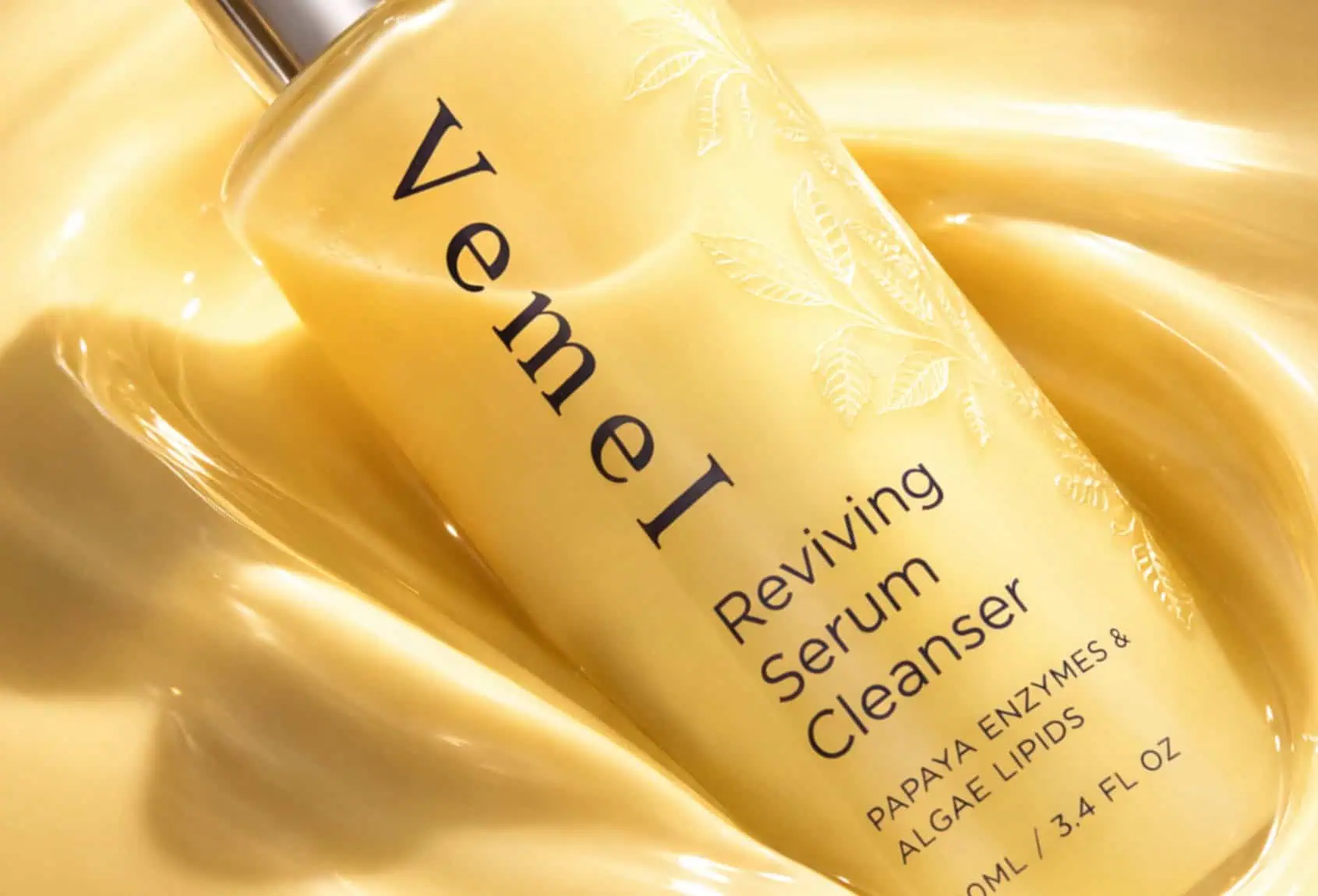
The Truth Behind the Waterless Skincare Revolution: Myths vs Reality
Waterless skincare is not simply an innovation. It represents a structural shift in how we formulate, use and think about skincare. As conversations around clean beauty, sustainability and barrier health continue to grow, waterless skincare has moved from niche to mainstream. However, with rapid growth comes confusion. Misconceptions persist, particularly around hydration, performance and environmental impact.
So what is myth, and what is reality?
1. Myth: Waterless Skincare is a New Phenomenon
Reality: It is rooted in age-old tradition
Although waterless skincare feels modern, its foundations are centuries old. Long before water became the dominant base in cosmetics, ancient cultures relied on nutrient-dense oils, balms, botanical infusions and plant butters to protect and nourish the skin.
Only in recent decades did water become the primary ingredient in many formulations often comprising up to 70–80% of the product.
Today, advances in skin science have reintroduced the value of concentrated formulations. With a deeper understanding of barrier function and transepidermal water loss, brands can now formulate organic waterless skincare that supports long-term skin resilience rather than temporary surface hydration.
In this sense, waterless skincare is less a trend and more a return to structural integrity.
2. Myth: Waterless Skincare Doesn’t Offer Adequate Hydration
Reality: Waterless formulas provide deep, long-lasting nourishment
Water provides immediate surface refreshment. However, once applied, much of that water evaporates. Over time, this can contribute to increased transepidermal water loss if the barrier is not adequately supported.
True hydration relies on three elements:
-
Humectants to attract moisture
-
Lipids to reinforce the barrier
-
Occlusives to reduce water loss
A well-formulated waterless moisturiser like our Collagen Boosting Hydration Cream delivers these components in concentrated form. Rather than diluting active ingredients with water, the formula prioritises nutrient-dense oils, lipid-supportive bio-actives and microbiome-respecting hydration systems. For example, algae bio-actives rich in skin-identical lipids can help improve elasticity while reducing moisture loss. When paired with botanical oils and fermentation-derived actives, hydration becomes sustained rather than fleeting.
Moreover, waterless textures can remain lightweight and fast-absorbing without compromising potency. Hydration is not about how much water a product contains, it is about how effectively it helps the skin retain its own.
3. Myth: Waterless Skincare Doesn’t Do Much for the Environment
Reality: Removing water has a huge impact on sustainability
The global beauty industry consumes vast amounts of water annually, not only in product formulations, but throughout manufacturing, rinsing and packaging processes.
By eliminating water as a base ingredient, waterless skincare reduces reliance on this essential resource. In addition, concentrated formulations often require smaller quantities per application, which can extend product longevity and reduce overall consumption. Equally important, simplified formulas typically contain fewer fillers and unnecessary additives. When every ingredient serves a functional purpose, efficacy increases while excess decreases. Waterless skincare is therefore not just about potency. It is also about responsibility.
Myth 4: Probiotics in Skincare Are Just a Marketing Trend
Reality: The Skin Microbiome Plays a Structural Role
As waterless skincare has evolved, so has interest in probiotic skincare. However, some assume probiotics are simply another short-lived beauty trend. In reality, the skin microbiome plays a measurable role in maintaining barrier balance and regulating visible sensitivity. When this ecosystem becomes disrupted whether through over-exfoliation, harsh cleansers or environmental stress the skin may appear more reactive and less resilient.
Topical probiotic ferments do not “add bacteria” in the way dietary probiotics do. Instead, they help support a balanced environment in which the skin can function more effectively. When incorporated into a waterless formulation, probiotic bio-ferments remain stable and concentrated, allowing them to work synergistically with lipid-supportive ingredients. As a result, hydration improves, tolerance strengthens and visible irritation may decrease over time.
Waterless skincare and probiotic skincare are not separate innovations, they complement one another in supporting long-term barrier health.
Where Organic and Fragrance Free Design Matter
When waterless formulations are paired with organic botanicals and fragrance free design, the benefits extend further. Organic oils and CO₂ extracts provide antioxidant protection that helps defend collagen fibres against environmental stress. Meanwhile, avoiding synthetic fragrance reduces unnecessary irritation particularly important for sensitive, reactive or hormonally changing skin. In this way, organic waterless skincare supports the barrier rather than overwhelming it. Potency and tolerance coexist.
Waterless Skincare: Simpler, Smarter, More Sustainable
At its core, waterless skincare prioritises concentration, structural support and long-term skin health.
Instead of relying on dilution, it focuses on:
-
Barrier reinforcement
-
Sustainable formulation
-
Purpose-driven ingredients
-
Microbiome respect
-
Fragrance free design
The result is skincare that feels intelligent rather than excessive. Waterless skincare is not a passing movement. It represents a recalibration one that values efficacy, sustainability and resilience over short-term sensation. When fewer ingredients carry greater purpose, skincare becomes both more powerful and more responsible. It’s not just a routine. It’s a wellness mindset.