

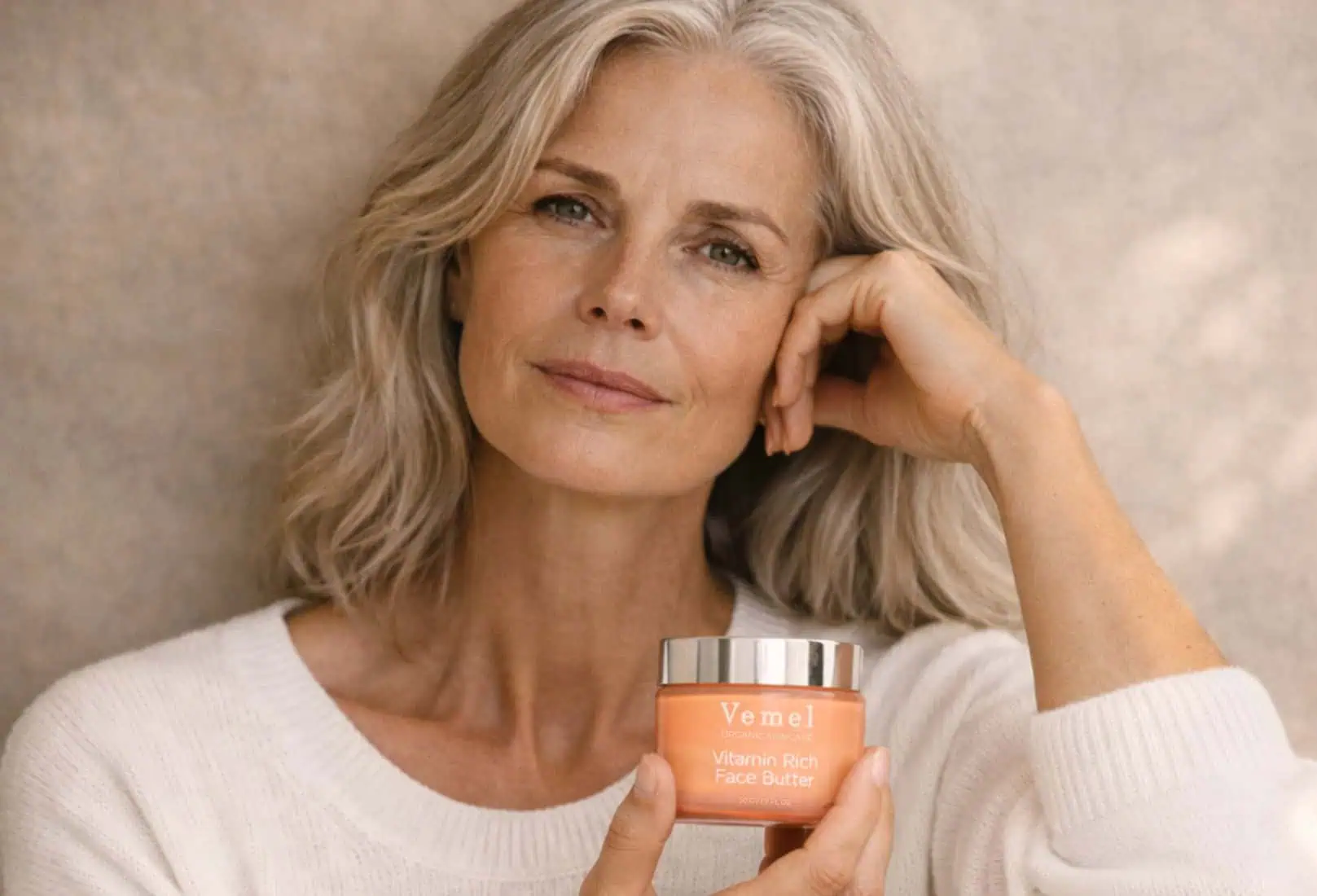
Skincare for Menopausal Skin, How Hormonal Changes Affect Your Barrier.
Menopause is not simply a hormonal milestone. It is a structural shift for the skin. During perimenopause and menopause, declining oestrogen levels influence collagen production, lipid synthesis and natural hydration. As a result, skin may feel drier, thinner, more reactive or unexpectedly prone to breakouts. Understanding these changes allows skincare to evolve accordingly.
How Hormonal Changes Affect the Skin
Oestrogen plays a crucial role in maintaining:
-
Collagen density
-
Elasticity
-
Lipid production
-
Barrier resilience
When levels decline, the skin produces less oil and fewer structural proteins. Consequently, transepidermal water loss increases, sensitivity rises and fine lines may appear more pronounced.
At the same time, fluctuating androgen levels can stimulate sebaceous activity, leading to congestion or hormonal breakouts. This combination of dryness and oil imbalance often feels confusing. However, it reflects barrier instability rather than contradiction.
Why Barrier Support Becomes Essential
Skincare for menopausal skin should prioritise structural reinforcement rather than aggressive correction. Over-exfoliation, strong acids and harsh cleansers can further weaken the lipid matrix. Instead, focus on:
-
Gentle cleansing
-
Lipid replenishment
-
Antioxidant protection
-
Collagen support
-
Fragrance free formulations
Barrier supportive skincare reduces reactivity and improves long-term resilience.
The Role of Organic Waterless Skincare
Water-based products often prioritise texture over structure. In contrast, organic waterless skincare concentrates functional ingredients that directly support hydration and lipid integrity. Because there is no unnecessary dilution, botanical oils, algae lipids and barrier-supportive ferments remain purposeful and potent. This is particularly beneficial when hormonal skin becomes thinner and more reactive. Waterless formulations also reduce reliance on preservatives and unnecessary fillers, making them well suited to sensitive menopausal skin.
Lifestyle Factors That Influence Hormonal Skin
While skincare plays a key role, internal support matters equally.
Consider:
-
Consistent hydration
-
Antioxidant-rich foods
-
Stress regulation
-
Gentle routines over frequent product changes
Skin longevity during menopause depends on consistency rather than intensity. As hormonal shifts affect barrier resilience, the skin’s microbiome may also become less stable. The microbiome plays a crucial role in regulating inflammation and supporting barrier function. When oestrogen declines, this delicate ecosystem can become disrupted, contributing to increased sensitivity, dryness and flare-ups. In this context, probiotic skincare can help support balance by reinforcing the skin’s natural defences rather than overstimulating them. If you would like to explore this further, you can read more about our award-winning probiotic skincare here.
A Simpler, Smarter Approach
Menopausal skin does not require complicated routines.
It requires:
-
Lipid reinforcement
-
Collagen support without irritation
-
Antioxidant defence
-
Calm, fragrance free formulations
When the barrier strengthens, dryness softens. When inflammation reduces, breakouts stabilise. When hydration improves, elasticity gradually follows. Skincare for menopausal skin is not about reversing change. It is about supporting the skin intelligently through transition.
Menopause is not a skin problem to fix. It is a transition to support. When hormonal changes are met with barrier-focused, organic and waterless skincare alongside calmer routines and fewer actives, the skin regains stability gradually. This is the philosophy behind our Skin in Stillness approach: slowing down, reducing overstimulation and allowing the skin to rebuild strength in its own time. Because during hormonal change, resilience grows not from intensity, but from consistency and care. For medical guidance on menopause symptoms and management, consult your GP or refer to NHS guidance.